Culture
さん, くん, ちゃん, さま: Japanese name endings explained
What the Japanese honorifics san, kun, chan, sama and sensei mean, who uses them for whom, and the one name you never add them to.
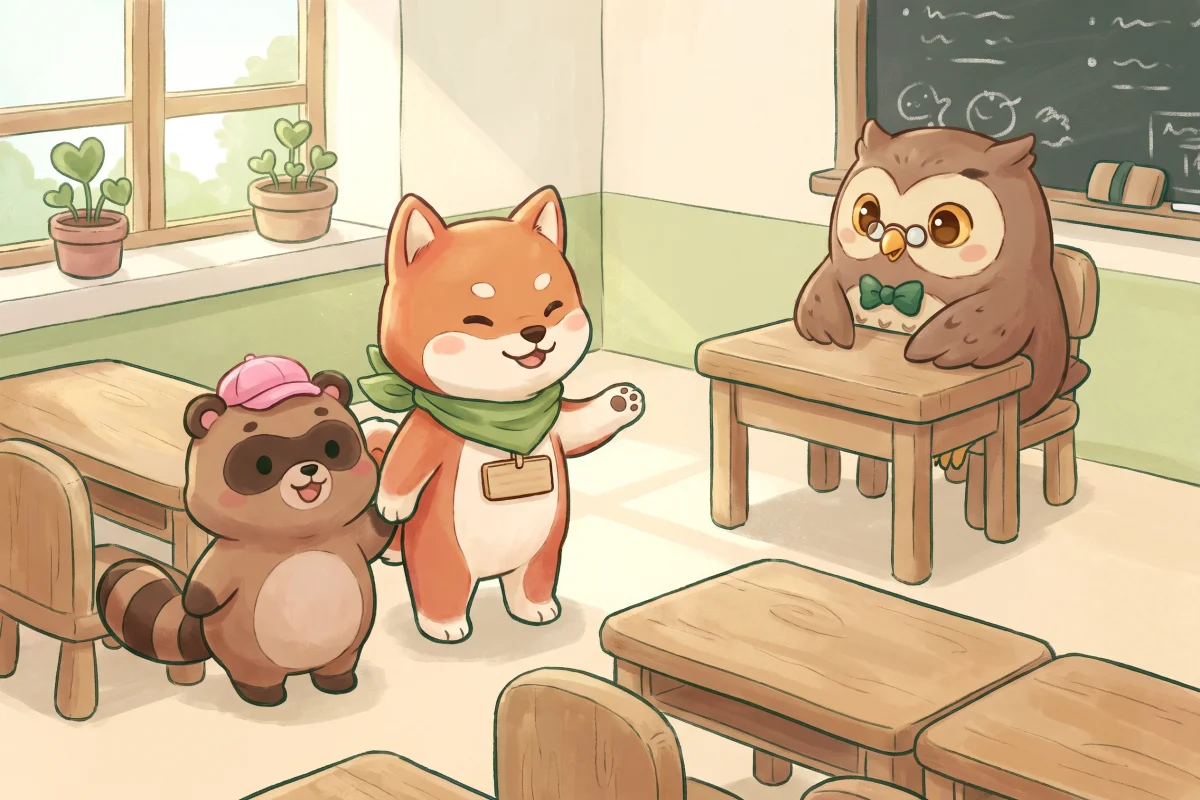
In Japanese, people's names usually come with a little ending: たなかさん, ゆいちゃん, やまだせんせい. These endings show politeness, closeness and respect, and choosing the right one is part of speaking naturally. The good news: as a learner, one of them works almost everywhere.
さん (san): the safe choice
さん is the all-purpose polite ending, a bit like Mr, Mrs or Ms, but used with first names, family names, men and women alike.
When in doubt, use さん. It's right for colleagues, neighbours, shop staff and anyone you've just met. Japanese people usually go by their family name in polite situations, so たなかさん is more likely than ゆいさん at first.
さん also goes on jobs and shops: おいしゃさん (doctor), パンやさん (the baker's).
くん (kun): for boys and juniors
くん is used for boys and young men, and by seniors at school or work for younger colleagues. It's friendly, but it's something you say down or across, never up: don't call your boss くん.
ちゃん (chan): cute and close
ちゃん is affectionate: for small children, close friends (especially girls and women), grandparents, and pets. Using it with someone you don't know well can feel overly familiar, so wait until you're close.
さま (sama): very respectful
さま is a more respectful さん. You'll see it on letters and envelopes, and hear it from shop and hotel staff speaking to customers: おきゃくさま ("honoured customer"). In everyday speech you'd rarely use it yourself.
せんせい (sensei): teacher, doctor and more
せんせい means "teacher", and it's used instead of さん for teachers, doctors, lawyers, writers and other experts: やまだせんせい. Students usually call their teacher simply せんせい.
No ending at all
Leaving the ending off (yobisute) is for people you're very close to: family, close friends and partners. With anyone else, it can sound rude.
Quick guide
| Ending | Use it for | Tone |
|---|---|---|
| さん | almost anyone | polite, neutral |
| くん | boys, juniors | friendly |
| ちゃん | children, close friends, pets | affectionate |
| さま | customers, letters | very respectful |
| せんせい | teachers, doctors, experts | respectful |
Hitokuchi's "Nice to meet you" lesson covers introductions and さん, with audio for every phrase.
Keep reading
 GrammarPolite vs casual Japanese: です/ます and when to drop themJapanese changes depending on who you're talking to. Here's how polite です/ます forms work, what casual Japanese looks like, and which to use when.
 BasicsHow to introduce yourself in Japanese (jikoshōkai)A simple Japanese self-introduction you can learn today, line by line, with your name, where you're from, what you do and the polite phrases that start and end it.
 BasicsJapanese greetings for every time of dayHow to say hello, good morning, goodnight and goodbye in Japanese, when to use each one, and the everyday set phrases Japanese people say at home and work.