The Hitokuchi blog
Japanese, one bowl at a time
Plain-English guides to learning Japanese: kana, grammar, the JLPT N5, travel phrases, matcha and everyday culture.
 KanaHow to learn hiragana: a calm one-week planA realistic plan to learn all 46 hiragana in about a week, with memory pictures, the order to learn them in, and the mix-ups almost everyone makes.
 KanaHiragana, katakana and kanji: what each one is forJapanese uses three scripts at once. Here's what hiragana, katakana and kanji each do, why you need all three, and the order to learn them in.
 JLPTThe JLPT N5: a beginner's guide to the first Japanese examWhat the JLPT N5 tests, how long each part takes, the pass marks, the 2026 test dates, and how to prepare for it, in plain English.
 Travel25 Japanese phrases for your first trip to JapanThe Japanese phrases that actually get used on a trip to Japan, for shops, restaurants, trains and getting help, with romaji and what people will say back.
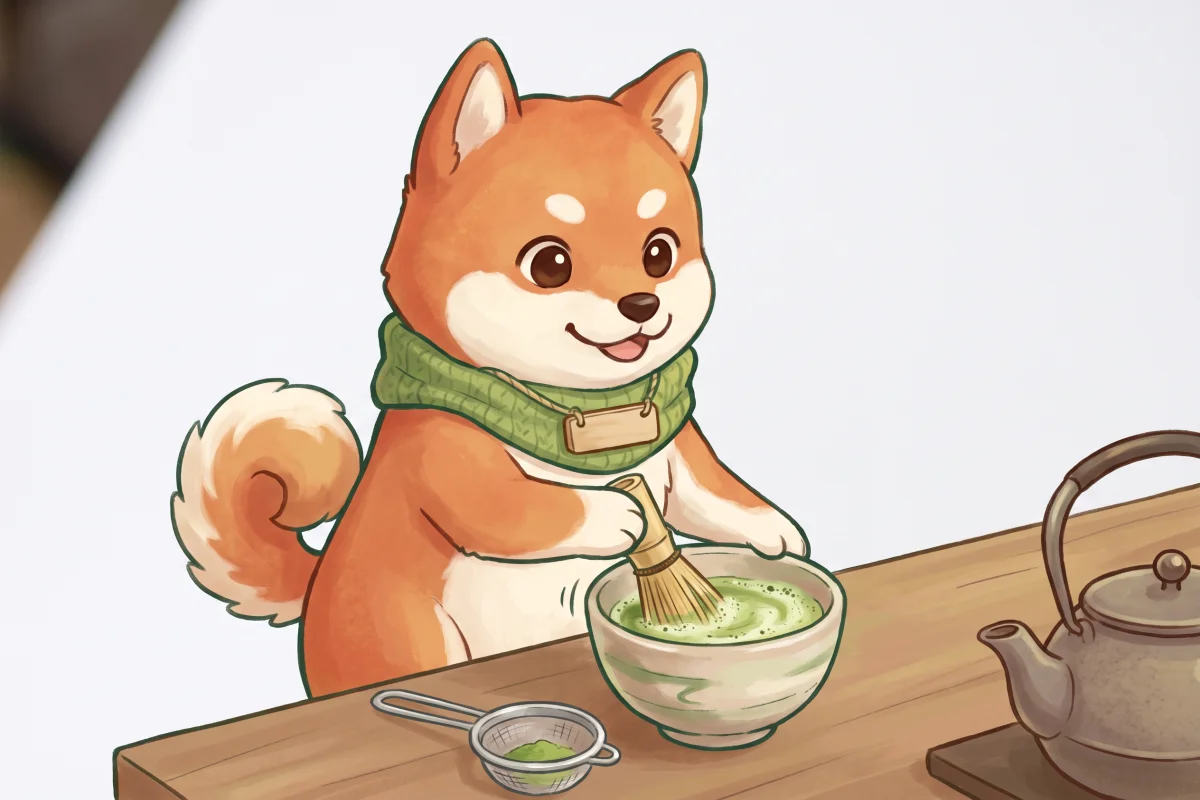 MatchaHow to make matcha at home (and the Japanese words for it)A simple, step-by-step guide to whisking a bowl of matcha at home, the tools you need, how to choose good matcha, and the Japanese words that go with it.
 BasicsJapanese greetings for every time of dayHow to say hello, good morning, goodnight and goodbye in Japanese, when to use each one, and the everyday set phrases Japanese people say at home and work.
 BasicsHow to introduce yourself in Japanese (jikoshōkai)A simple Japanese self-introduction you can learn today, line by line, with your name, where you're from, what you do and the polite phrases that start and end it.
 GrammarJapanese particles for beginners: は, が, を, に, で, へ and moreJapanese particles are the small words that show how a sentence fits together. Here are the ten you need first, each with simple examples.
 Grammarは vs が: the simple explanationThe difference between the Japanese particles は (wa) and が (ga), explained simply, with the four rules that cover most beginner sentences.
 GrammarPolite vs casual Japanese: です/ます and when to drop themJapanese changes depending on who you're talking to. Here's how polite です/ます forms work, what casual Japanese looks like, and which to use when.
 BasicsHow to count in Japanese: numbers and counters made simpleLearn Japanese numbers from 1 to 10,000, why some numbers have two readings, and the handful of counters you need for things, people and drinks.
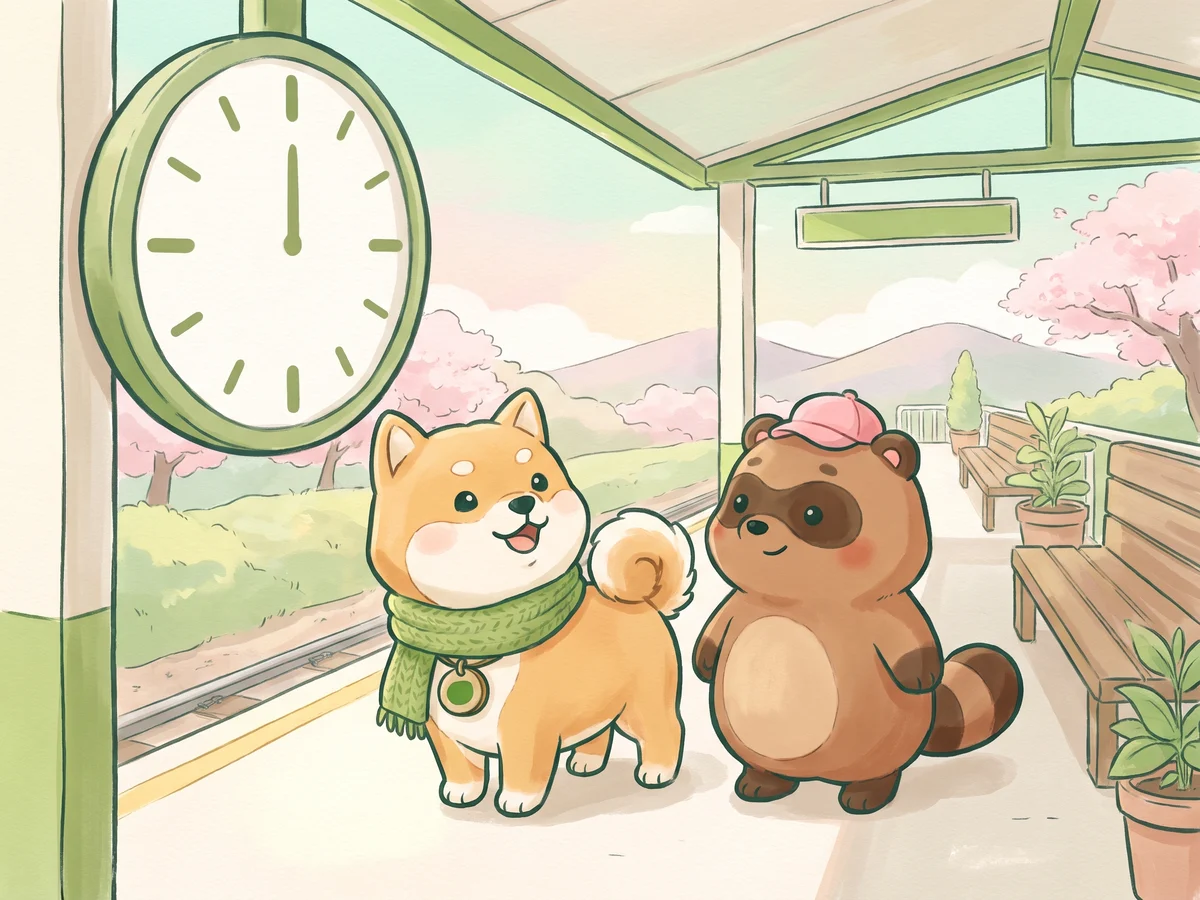 BasicsTelling the time in Japanese, plus days and datesHow to say the time, the days of the week and dates in Japanese, including the irregular readings everyone has to learn.
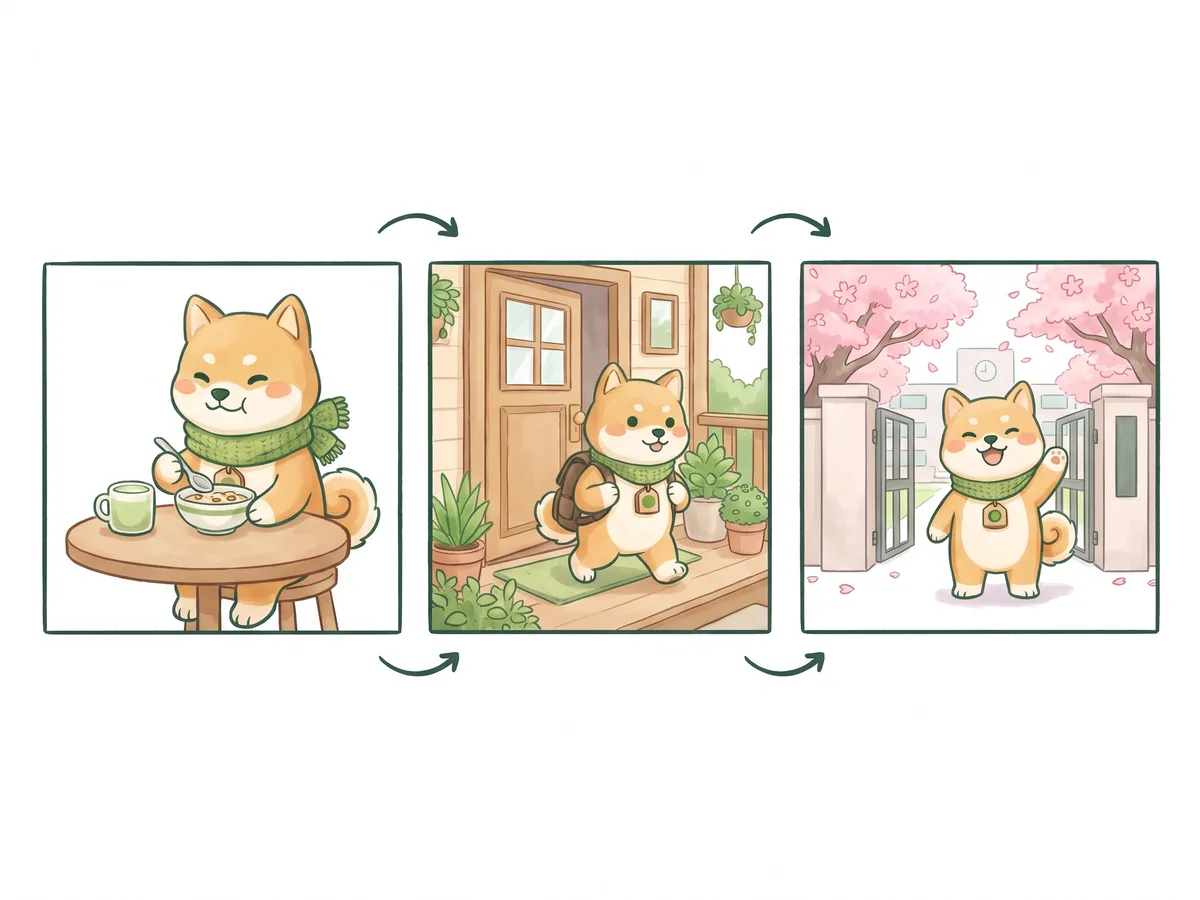 GrammarThe Japanese て-form explained, with an easy way to remember itThe て-form is one of the most useful verb forms in Japanese. Here's what it does, how to make it from any verb, and a simple way to remember the rules.
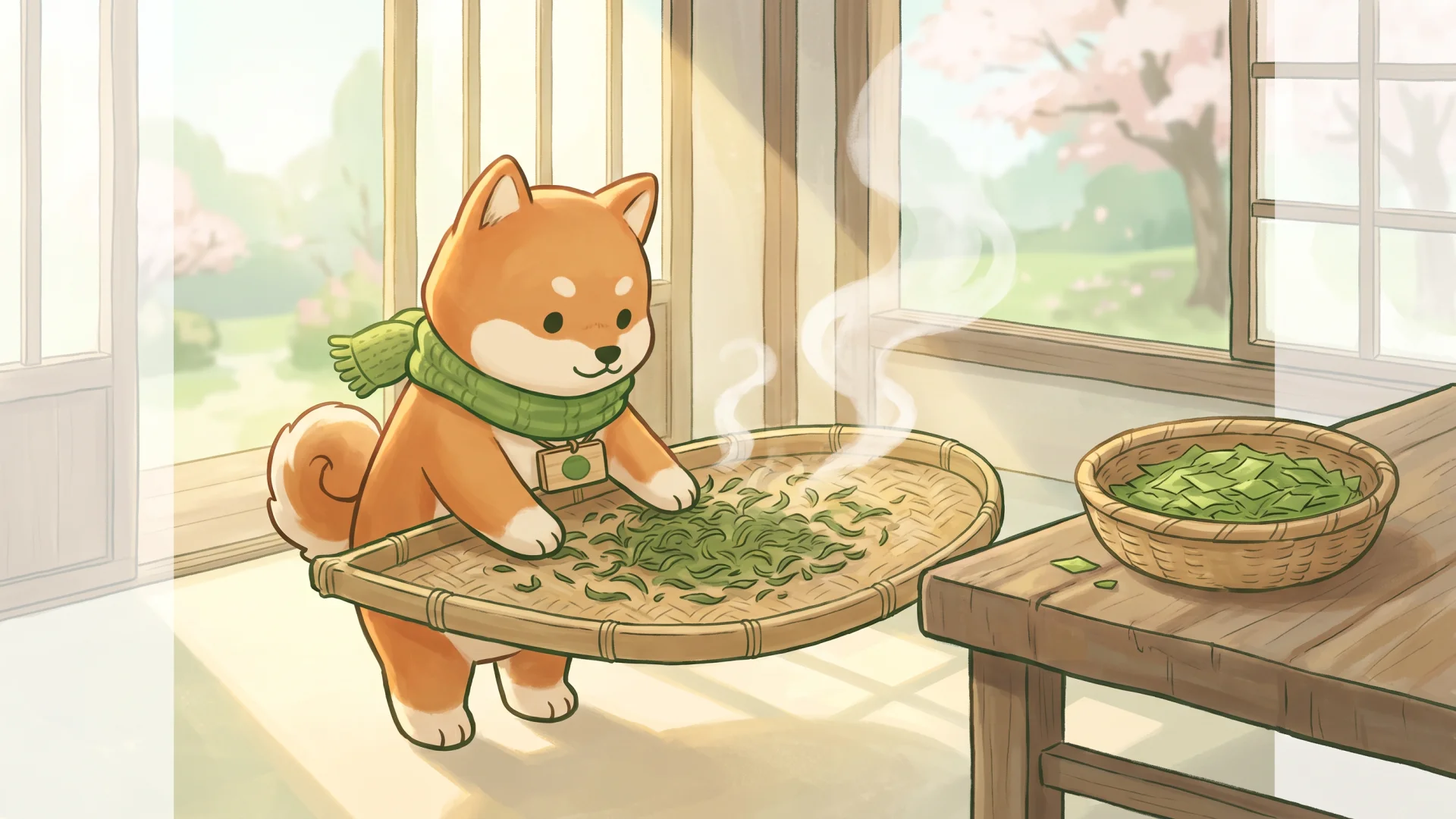 JLPTA 3-month JLPT N5 study plan (20–30 minutes a day)A realistic week-by-week plan to get from zero to JLPT N5 level in about three months, with what to study each week and how to review.
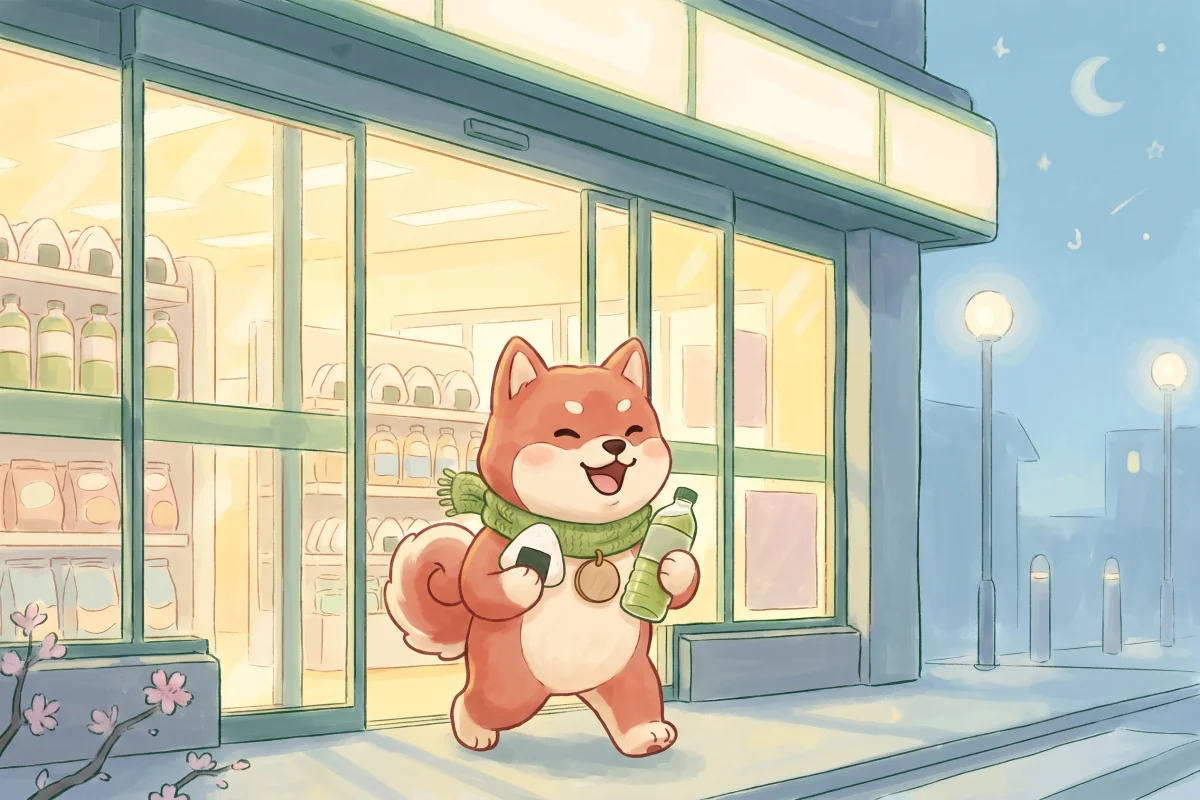 TravelKonbini Japanese: phrases for Japan's convenience storesWhat staff say at a Japanese convenience store, how to answer, and the phrases you need for heating food, bags, chopsticks and paying.
 TravelHow to order food in Japanese at a restaurantEvery step of eating out in Japan, in Japanese: getting a table, ordering, asking about the menu, saying thank you and paying the bill.
 Cultureさん, くん, ちゃん, さま: Japanese name endings explainedWhat the Japanese honorifics san, kun, chan, sama and sensei mean, who uses them for whom, and the one name you never add them to.
 MatchaMatcha grades explained: what “ceremonial grade” really meansWhy "ceremonial grade" isn't an official Japanese matcha grade, what actually decides matcha quality, and how to choose a good one, with the Japanese words on the label.
 MatchaThe Japanese tea ceremony: a simple guide for guestsWhat happens at a Japanese tea ceremony, how to receive and drink a bowl of matcha, and the few phrases a guest says, explained simply for first-timers.
 CultureJapan's seasons in words: hanami, tsuyu, momiji and moreThe Japanese words for the four seasons, and the seasonal customs and words everyone in Japan knows, from cherry blossom viewing to autumn leaves.